

Luna Tractor MBA
“What if instead of spending 2 years of your life and $100k+ in course fees you undertook a Luna Tractor MBA—investing the same amount of time reading, comparing notes with others, practicing and testing new approaches and ideas?”
We strive to retain a sense of humor when observing other consultants 'borrowing' Luna’s material and approaches. Yet it’s a great motivator to ourselves on two fronts;
First we pride ourselves on transferring knowledge, IP and approaches to our clients; it’s how we create lasting value for them and some leakage along the way to others is inevitable. Secondly, if our approaches are not being borrowed or emulated; it’s a good reminder we're not breaking new ground or building, testing and evolving new approaches. So we have to take it as a kind of compliment.
We’re often asked "how do we learn or know all the things we do?" Some of it’s practice and some we've invented along the way — yet in reality vast amounts of our knowledge is influenced, acquired or synthesise from the stories and experiences of others we’ve read or observed…the best ideas come from other places!
“If I have seen further than others, it is by standing on the shoulders of giants.” — Isaac Newton
Years ago we wrote a list of the books we'd read and would recommend. We irreverently branded this an alternative to a conventional business MBA for a friend who was considering study at Harvard or London School of Economics. Many years later our Luna MBA remains the most popular section of our website and we continue to curate the list. It's always gratifying to meet someone working their way through the Luna MBA who we’ve never previously met.
Knowledge shared. Knowledge gained.
Luna MBA
-
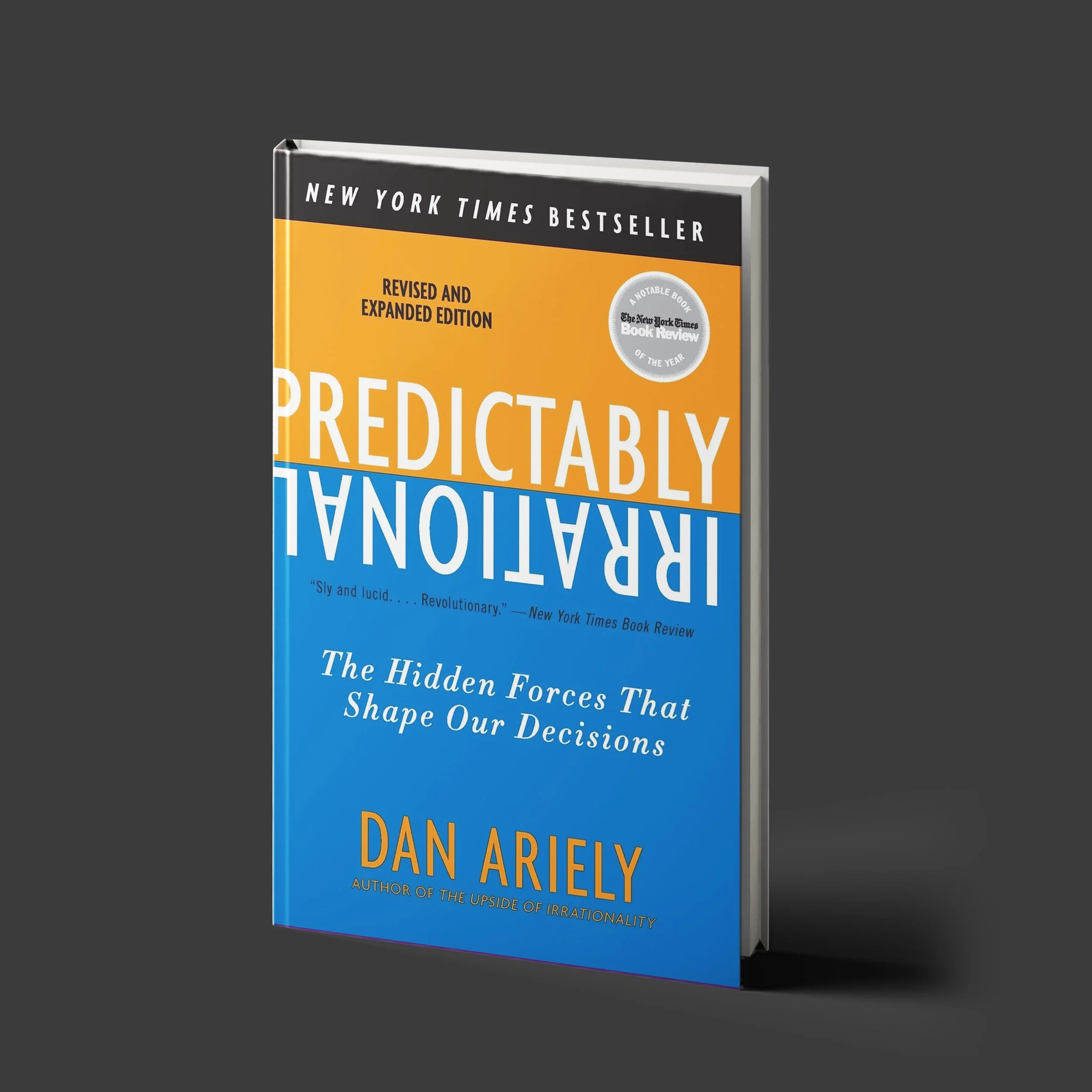
Predictably Irrational
By Daniel Ariely
The handbook on how to move fast, and be customer-led, without losing your mind. Turns out if you solve interesting problems for yourself, other people have the same problems and will pay you money for your insight. Such an easy read – short chapters, quick lessons, pithy conclusions.
-
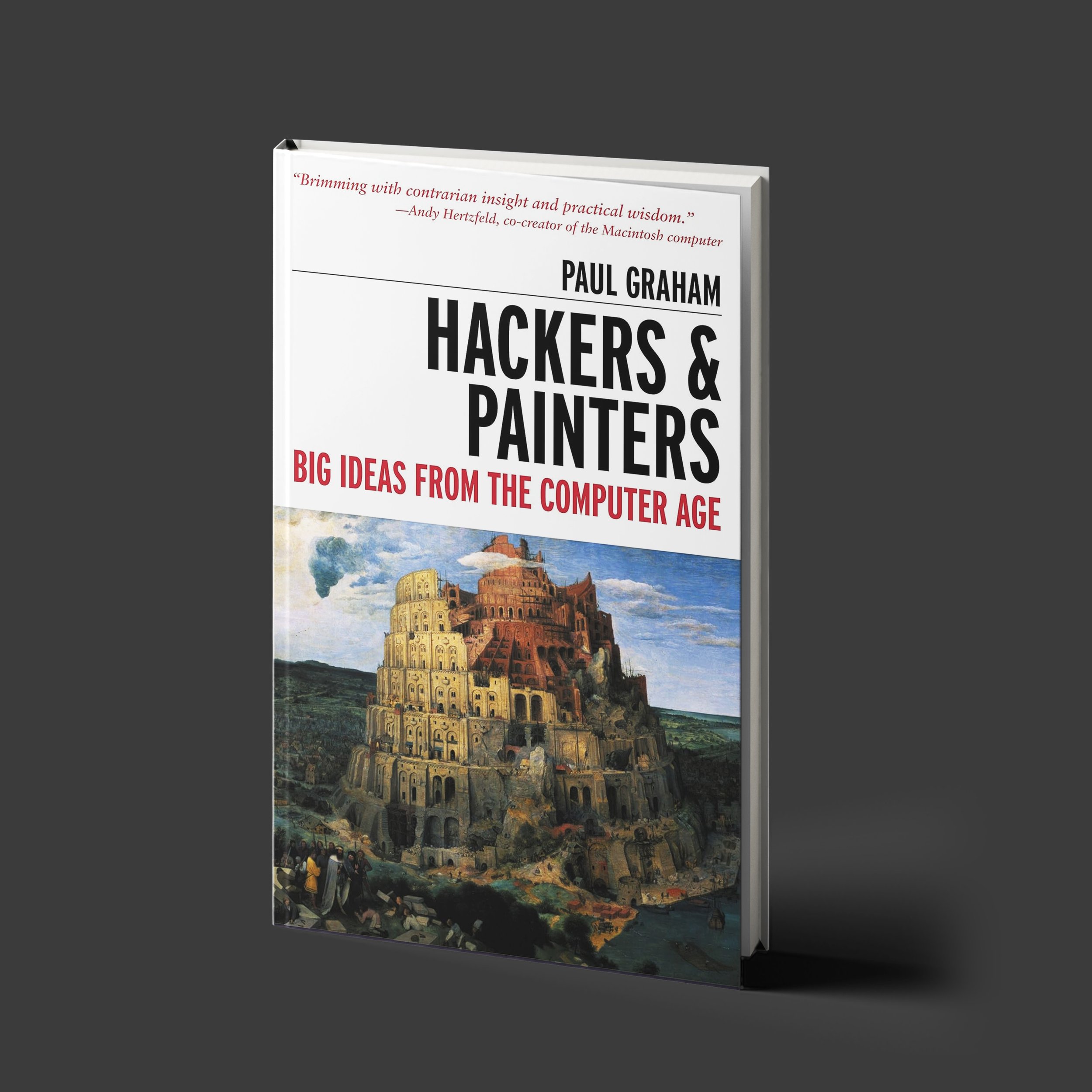
Hackers and Painters
By Paul Graham
Now days Paul Graham is more famous for his Y Combinator Angel fund … but don’t be fooled, back in the day Paul was both a proper Hacker and very successful in his own right. This book is one that we have often given to leaders of technology teams who are not themselves nerds. It’s an essential guide to the mind of the software developer and explains the art and science blend that is great software development.goes here
-
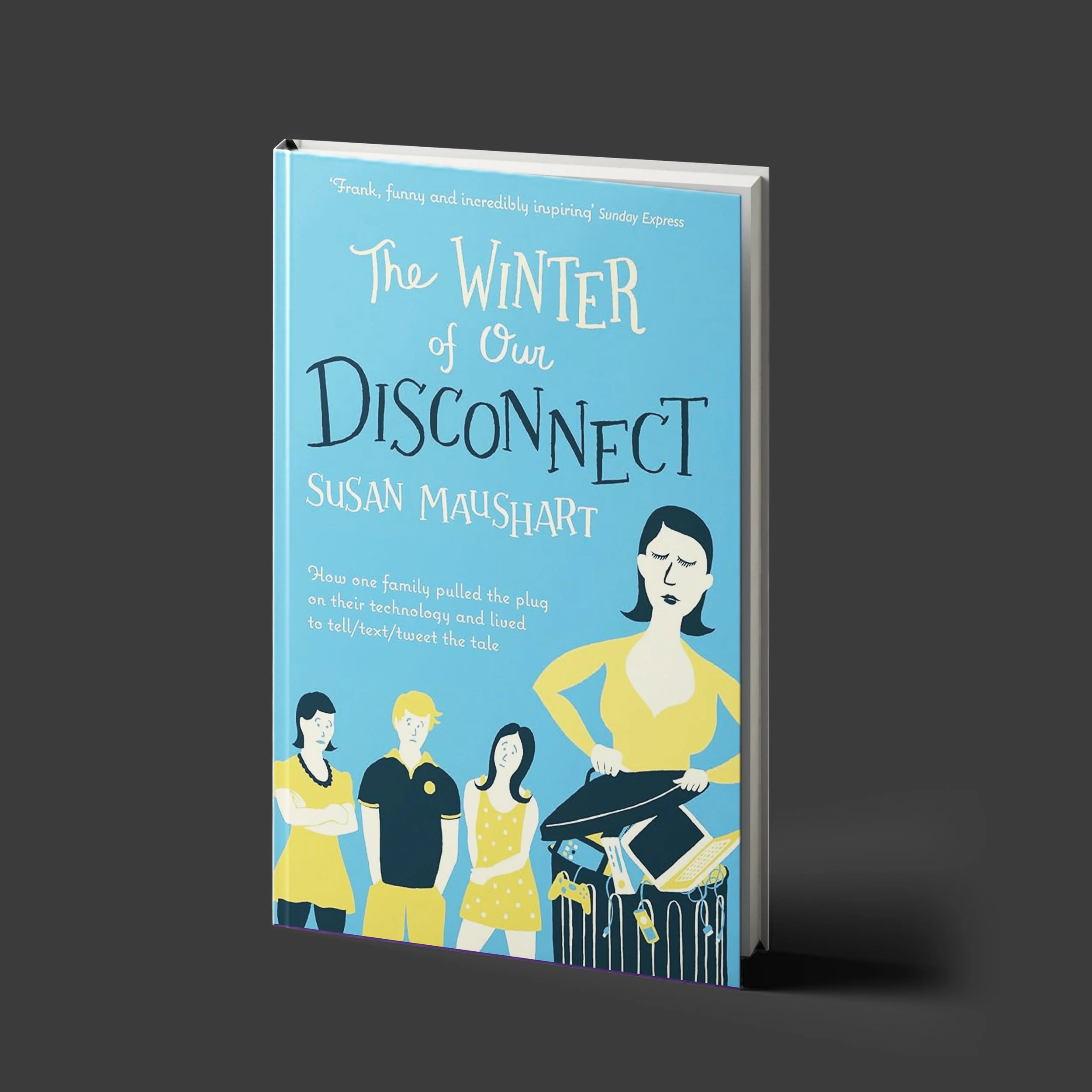
The Winter of our Disconnect
By Susan Mauchon
A balanced and clever story of a family in Perth giving up electronics for a few months and observing the sociological results first hand. Every second chapter visits the research and theories around the impact of new media and devices on people and society. Essential reading for insight into the biases that we now live with daily – and it might well be a life saver for a few people struggling with teenagers and their addiction to online gaming, Instagram and Snapchat.
-

Good Night Stories for Rebel Girls
By Francesca Cavallo
Ever had an idea — yet didn’t action it?
Ever known you could change something — yet didn’t?The barrier that separates ideas from action, or knowledge from driving change, is known as ‘resistance’ — and we’ve all fallen victim to its power.
Bedtime Stories for Rebel Girls is way more than a collection of bedtime stories for your kids. It captures the human spirit to lead change and to become remarkable; it’s a little reminder that you can put a positive dent in the universe if only you push through resistance.
-
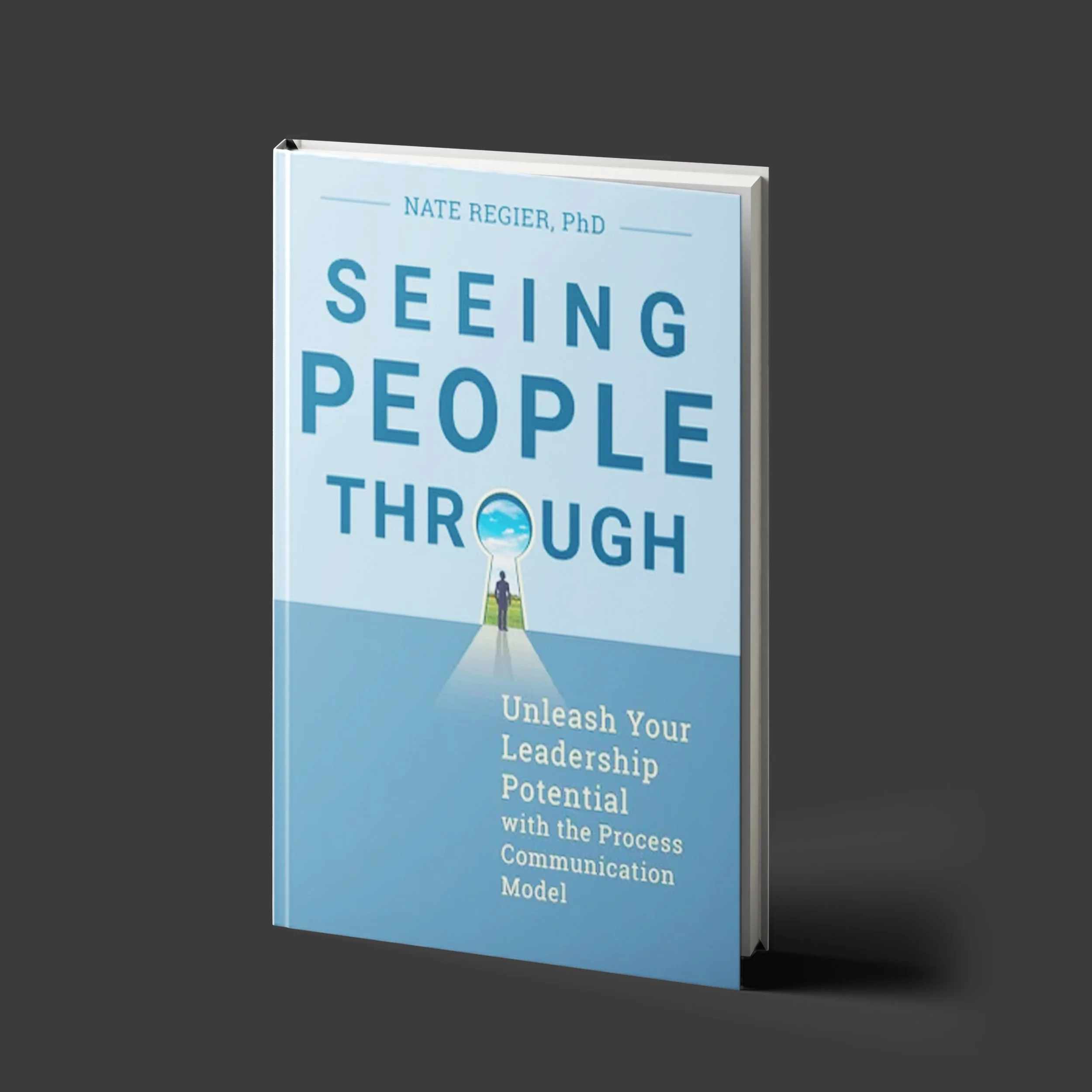
Seeing People Through
By Nate Reiger
How did NASA accurately predict astronaut communication and behaviour in the high stakes environment of space? Through the Process Communication Model (PCM).
PCM is a model for human interaction that helps us assess, connect, motivate and resolve conflict with different personality types. Many models have come and gone before — so, what makes PCM different? Unlike other models PCM focuses on understanding and accessing personality types that exist in all of us rather boxing us into specific categories. The intention is not to see through people, but to see people through. And it’s highly practical, making us aware of our own needs and how we can communicate more effectively with others.
Seeing People Through is a handy doorway into PCM as Nate cleverly uses narrative to share the ideas that underpin the model and some activities to try for yourself.
‘The business of people is communication, that is why everybody needs to know PCM’ — Dr Terry Mcguire former Lead Psychiatrist Manned Space Flight NASAtion goes here
-
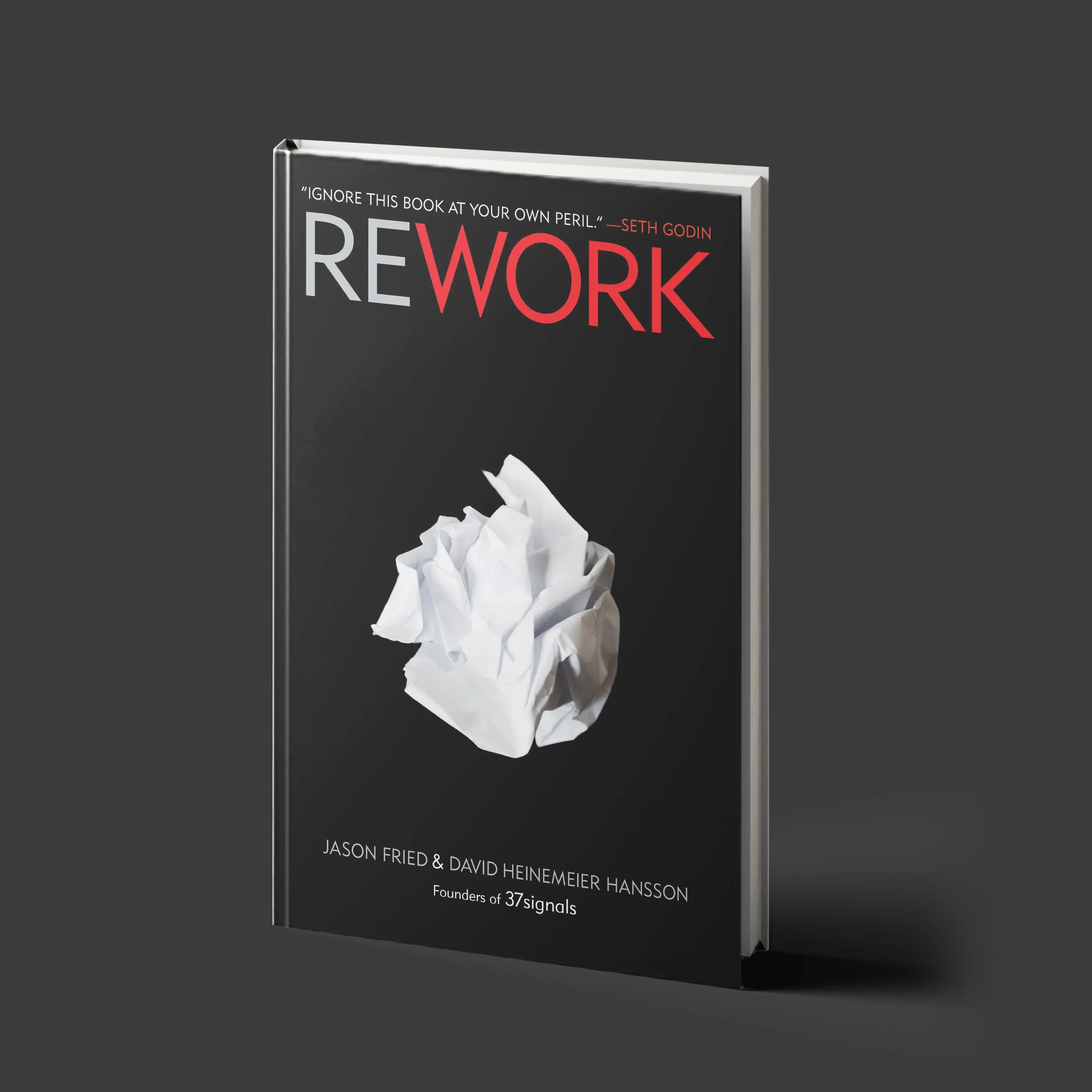
Rework
By Jason Fried and David Heinemeier Hansson
The thing most striking about 37signals’ story was, they clued in to not having their payment feature delivered for Basecamp until after they had determined they were delivering a product of value. At the time an awkward decision is the most common strategy for marketing digital products today, subscription services are going to make us all poor!
It’s also a Luna fave for it’s philosophy on entrepreneurship: ‘What you really need to do is stop talking and start working’ is echoed in our oft quoted ‘Start by starting’.
-
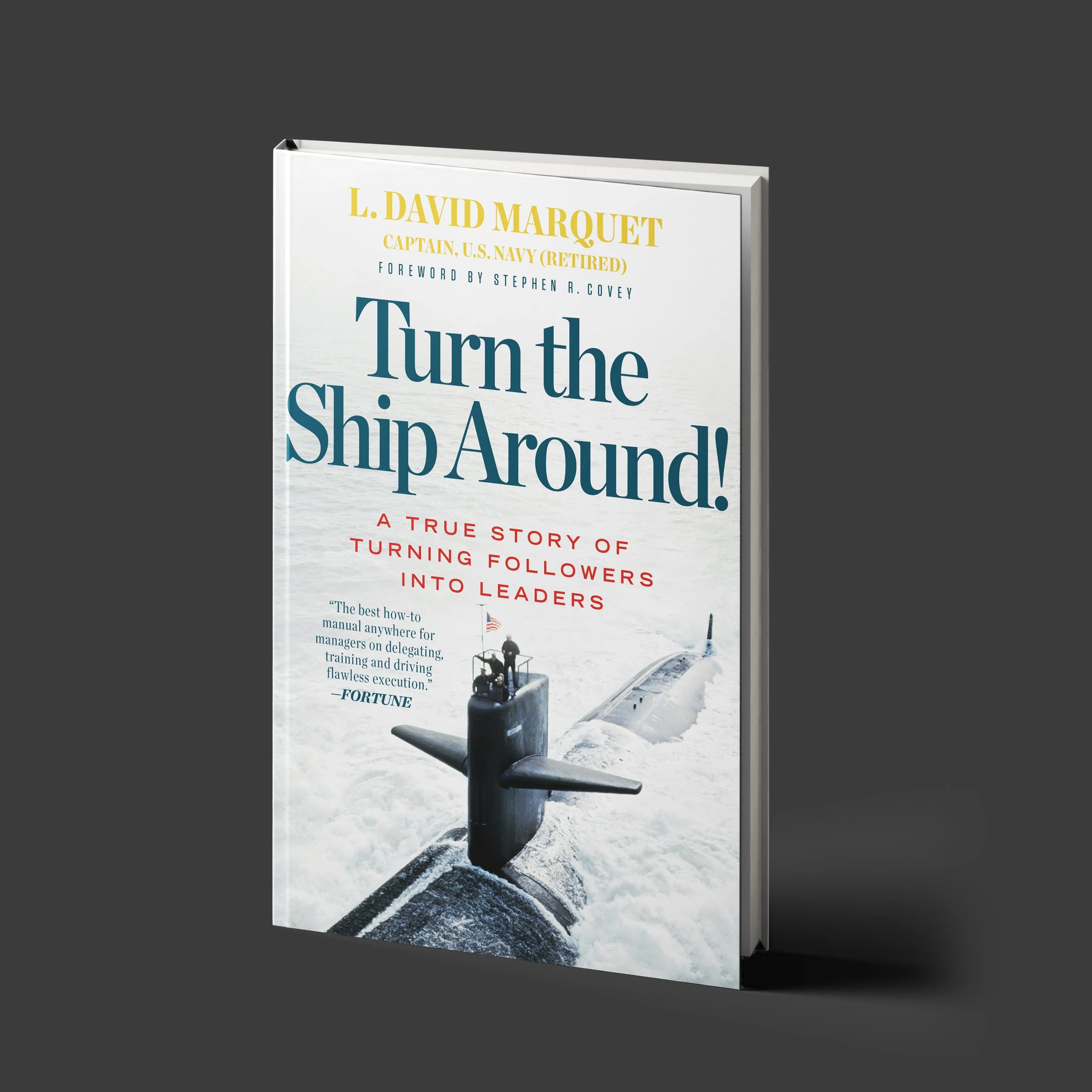
Turn the Ship Around!
By David Marquet
We know innovation often happens in unlikely places and creativity thrives on constraints. Within the confines of a long metal tube full of people and a nuclear reactor which stays underwater for 3 months at a time Captain David Marquet ended up learning a bunch of really important stuff about people, models of leadership and how we move on from command and control. The book is both a great story and has some really practical approaches which are totally applicable even if you don’t have nuclear launch codes.
-
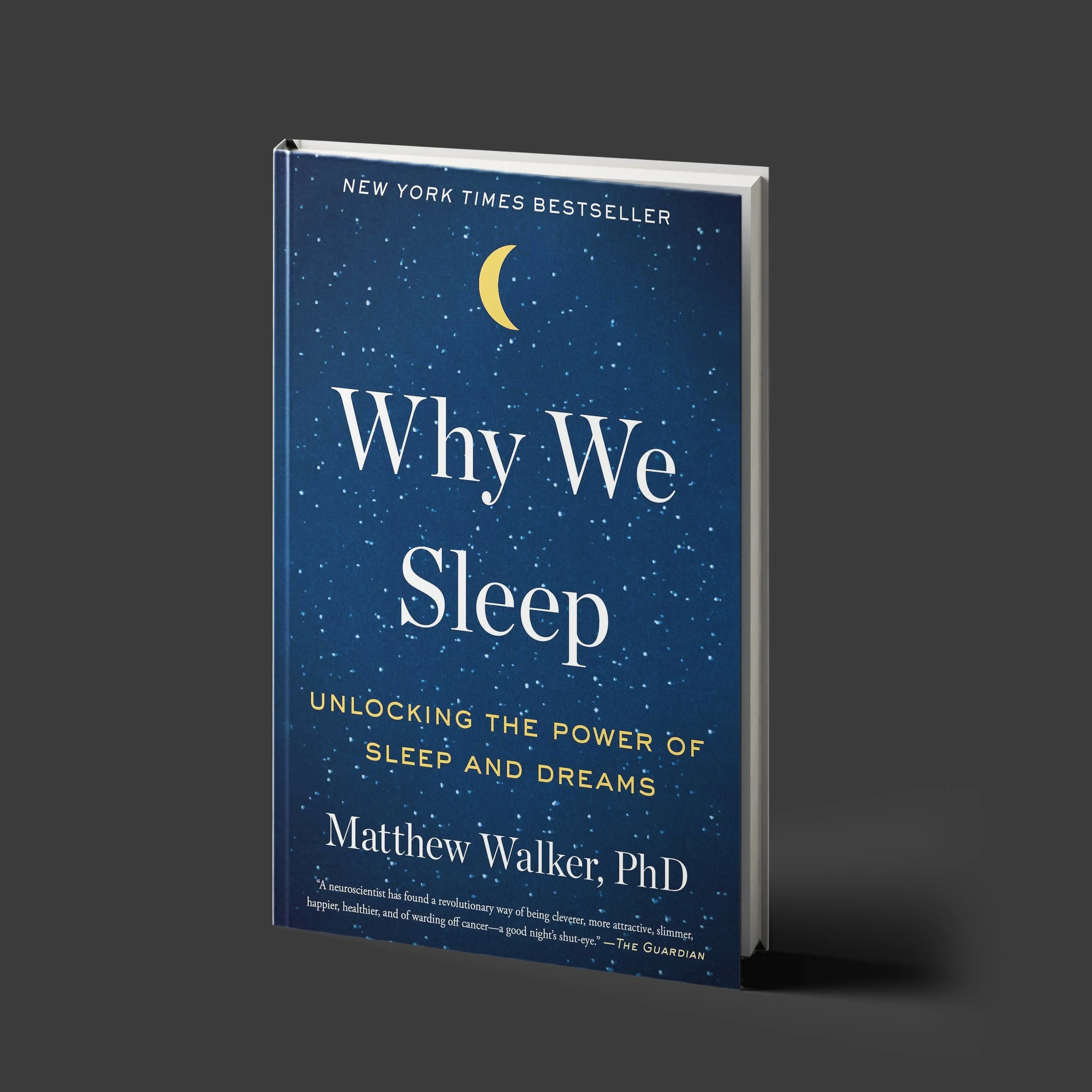
Why We Sleep
By Matthew Walker
We live in a culture that quietly celebrates not sleeping enough — the 5am starts, the late nights, the badge of honour that is being busy. Matthew Walker, a neuroscientist at UC Berkeley, would like a word. Why We Sleep is a methodical, occasionally alarming tour through what science actually knows about sleep — what happens when we get it, what happens when we don't, and why the answer to the second question is considerably worse than most of us want to hear. It turns out the thing we've been cutting corners on to fit everything else in is, rather inconveniently, the foundation everything else depends on. Perhaps the most radical thing you can do is just go to bed.
-
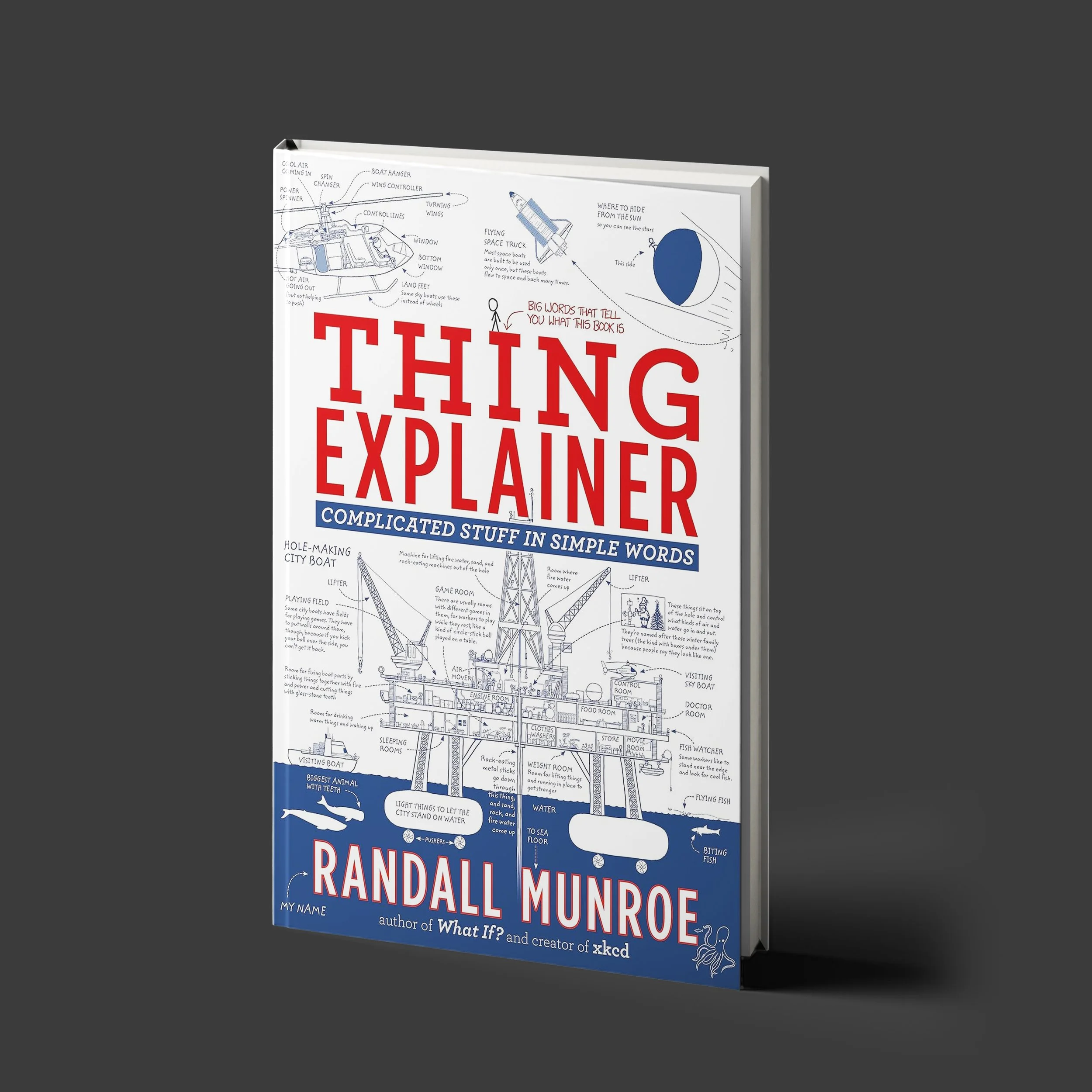
Thing Explainer
By Randall Munroe
From the cartoonist behind the beloved xkcd webcomic, his book Thing Explainer does something rather wonderful: it explains complicated things — nuclear reactors, the International Space Station, the human digestive system — using only the thousand most common words in the English language. A nuclear reactor becomes a "heavy metal power building." A helicopter is a "flying machine with turning wings." And you understand them better, not worse. By the way; ‘thousand' is not in the 1,000 moost common words - so it’s ’the ten hundred words people use most often'
Jargon and acronyms surround us in big organisations. Everyone nods their heads as if they actually understand, when it’s often a lie. If you truly understand something, you can explain it simply. And if you can't, it's worth asking whether you understand it as well as you think.
-
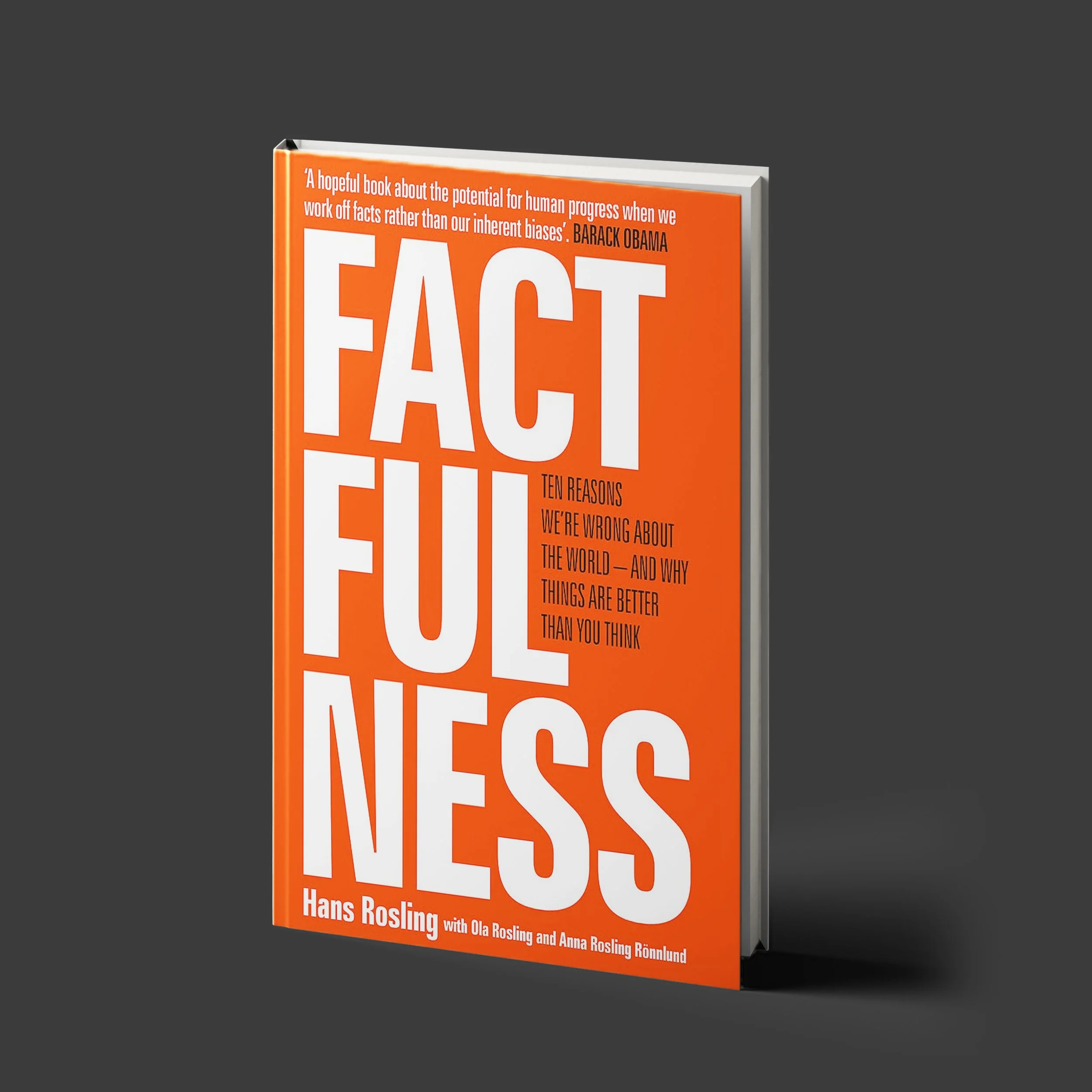
Factfullness
By Hans Rosling
Most of us carry around a picture of the world that is, measurably, wrong. We think poverty is getting worse — it's getting better. We think the gap between rich and poor countries is widening — it's narrowing. Hans Rosling, the Swedish doctor and statistician, spent decades discovering that virtually everyone, including experts, consistently gets basic facts about global progress badly wrong. Factfulness is his forensic, quietly joyful dismantling of our assumptions - to show us that the world is more improvable, and more improved, than we've been led to believe. It's a book about data, but really it's a book about how we think, and why we should think harder.
-
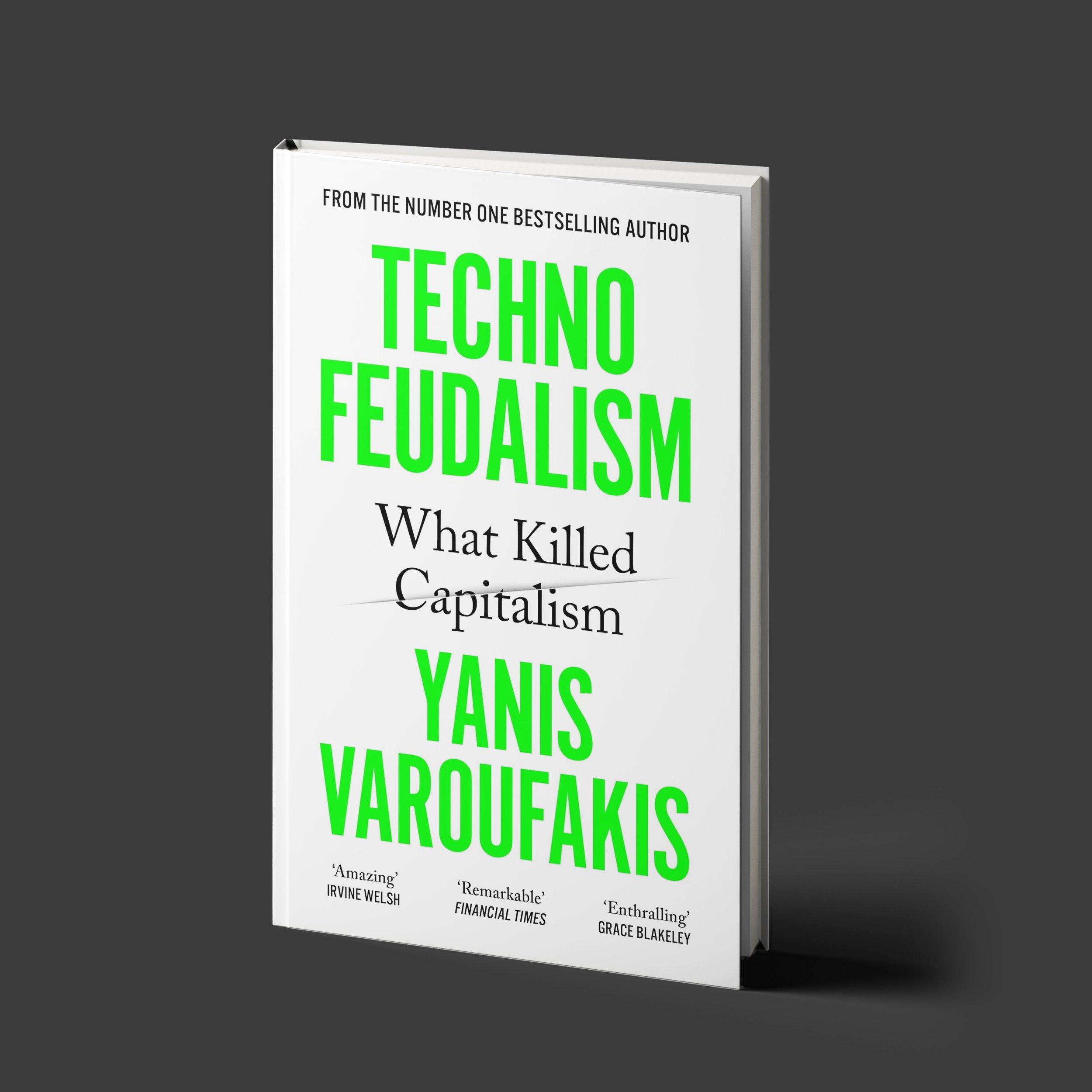
Techno Feudalism
Remember when the internet was going to set us all free? A level playing field — any small business could reach any customer, anywhere. And for a while, it felt true. Then something changed - the digital town square got privatised, the roads turned into toll roads, and the landlords got very, very rich. Yanis Varoufakis, the combative former Greek finance minister and economist, has a name for what happened: Techno Feudalism.
His argument is unsettling in its simplicity. Capitalism, for all its flaws, ran on competition and profit. What we have now is something older and stranger — a handful of tech giants who don't just sell things, they own the territory everyone else has to operate on. Amazon doesn't just compete in retail, it charges rent to every retailer who needs its shelves. Apple doesn't just make phones, it extracts a fee from every transaction on its platform. Varoufakis calls this "cloud rent," and once you see it, you can't unsee it. We're not customers or competitors — we're serfs, and the cloud is the new feudal estate.
-
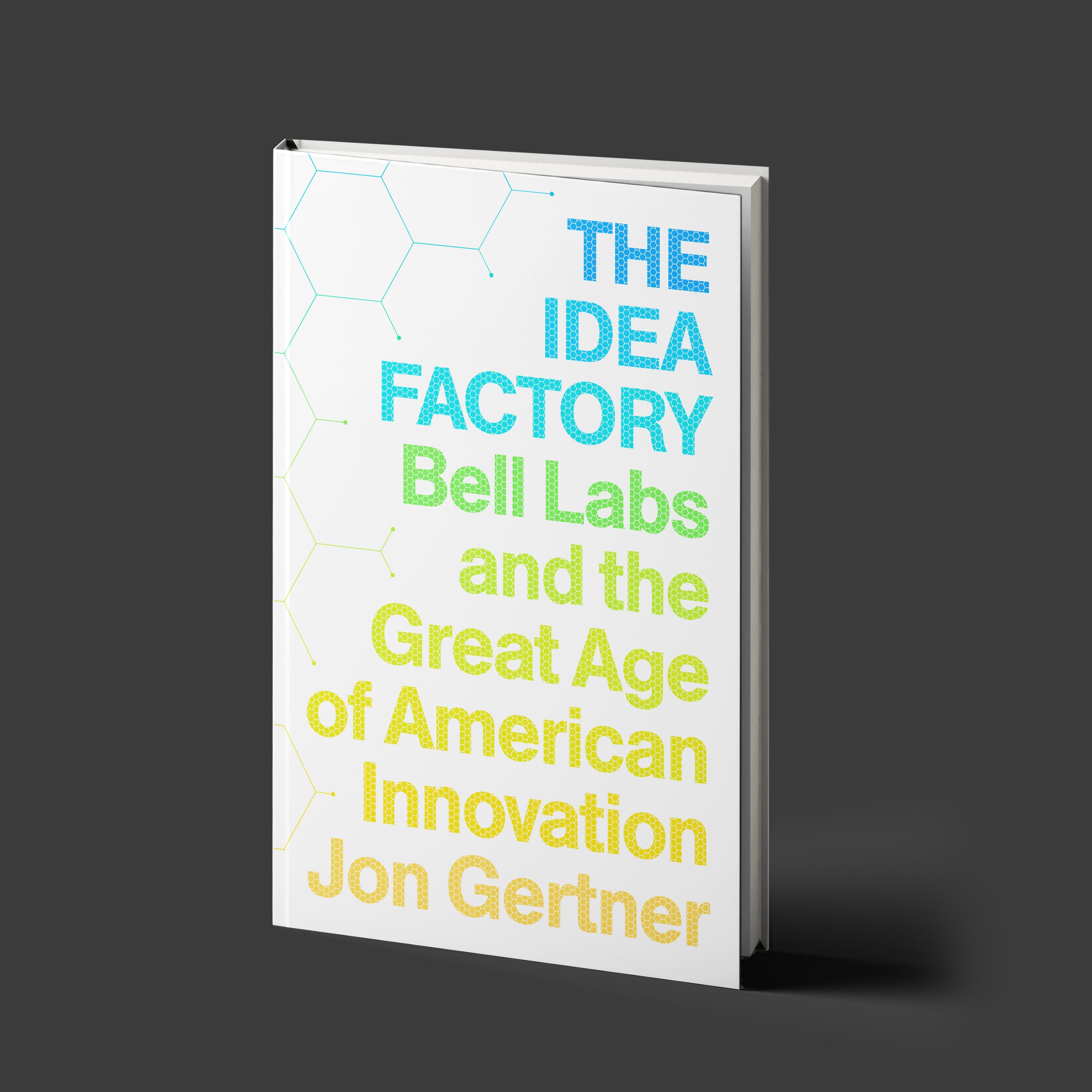
The Idea Factory - Bell Labs
By Jon Gertner
Beginning with Alexander Graham Bell’s invention (and monopoly making patent) of the telephone it’s hard to point to a group outside Bell Labs that have been more responsible for shaping our society today (granting that the Xerox PARC Labs took the torch and ran with it as the flame at Bell started to die out in the 70s) — we’re talking about the group of humans that invented telephone, valves, electrical cables of all kinds, radar, the transistor, microwave, the unix operating system, lasers, optical fibres, CCD chips and cellular mobile networks and on and on.
Gertner’s book chronicles this incredible era, blending the personal stories, achievements and method used into a book which is both an enjoyable read and an inspiring look at the birth of the information age. Highly recommended as a prelude to Dealers of Lighting.
-
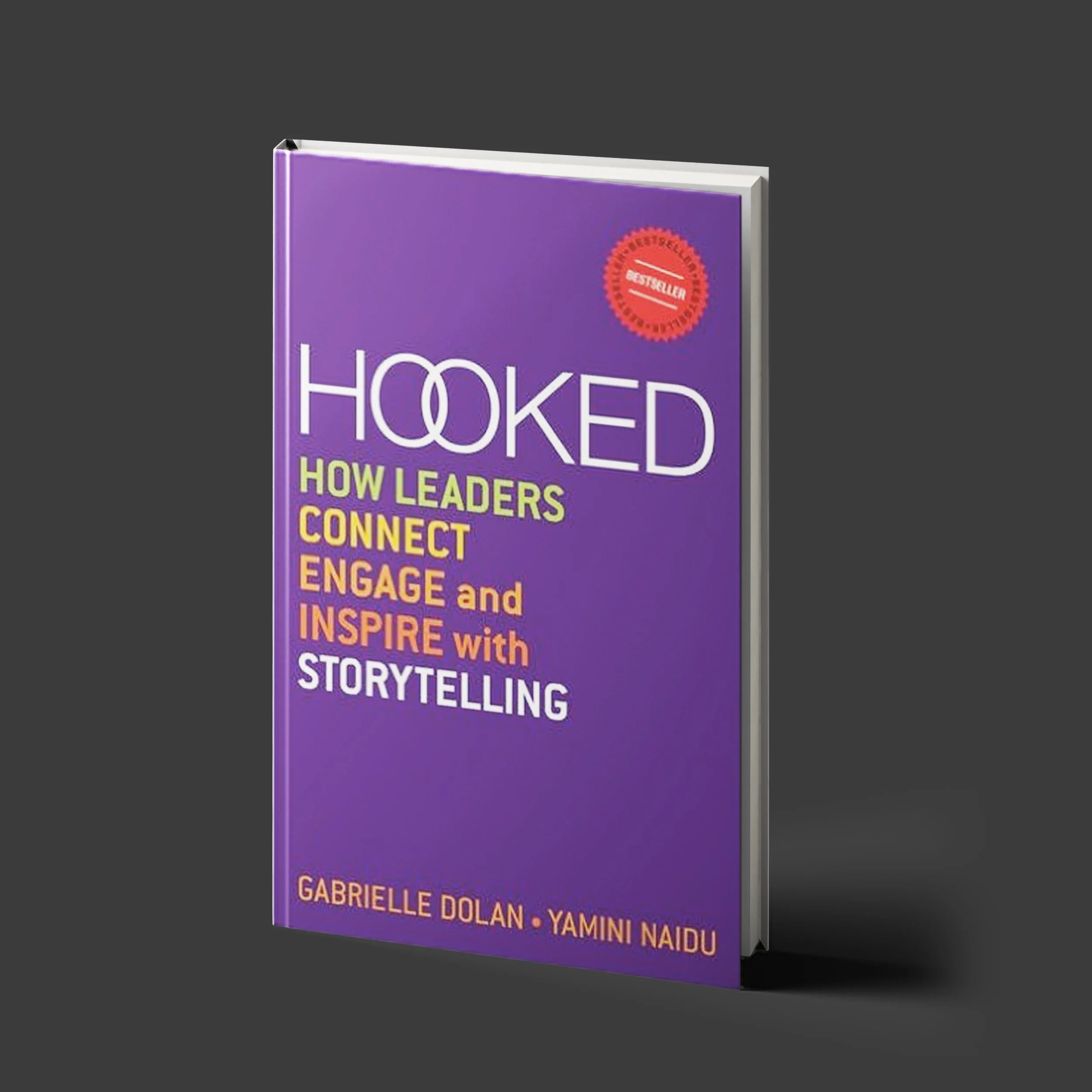
Hooked : How Leaders Connect, Engage and Inspire with Storytelling
By Gabrielle Dolan and Yamini Naidu
We can all recall stories from childhood — but can we remember and re-tell the strategy presented by our CEO at last years conference?
Story-telling is a powerful approach to communicating (often complex) messages with an engaging, understandable and memorable outcome. Written by Gabrielle Dolan and Yamini Naidu with a focus on story-telling in business, Hooked — How Leaders Connect, Engage and Inspire with Storytelling is a super practical guide to the many methodologies and techniques for effective communicating in business and in the workplace.
Written in a pragmatic and no-fuss manner with a bunch of real-life examples — think tool-kit versus story itself — Hooked is an ideal read for masters of storytelling wanting to finesse their craft, or for newbies to the art (and science) of communicating in compelling ways.
-
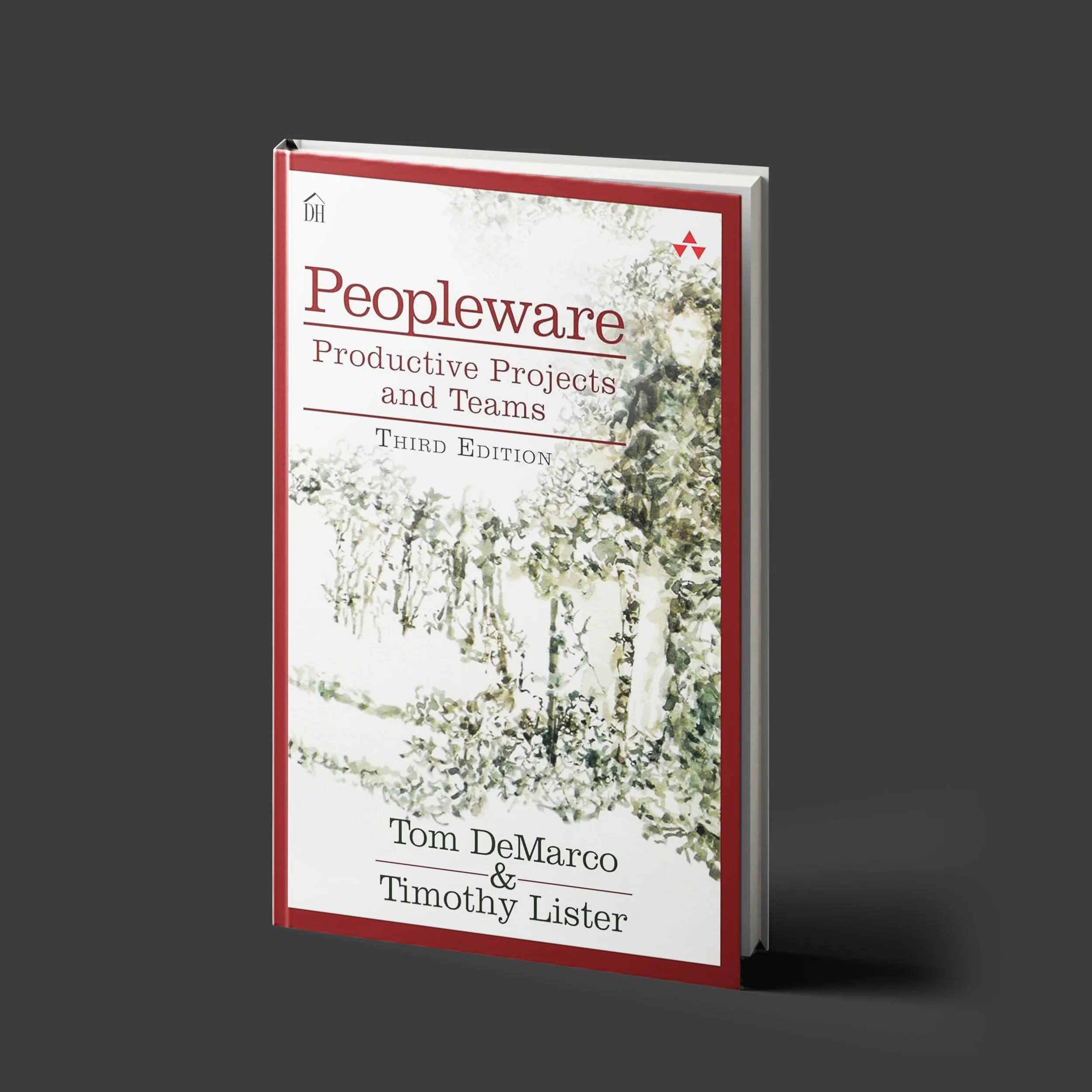
Peopleware
By Lister & DeMarco
A vintage piece of writing, ignored by managers for decades since 1987 when it was first published. Luckily they did a second edition in 1999 which you might be able to get your hands on, or a Kindle edition. We had the pleasure of meeting Tim Lister in NZ at an SDC conference, and found the secret to writing in the informative, witty style of this 25 year old book – be witty, warm and informative in person!
-
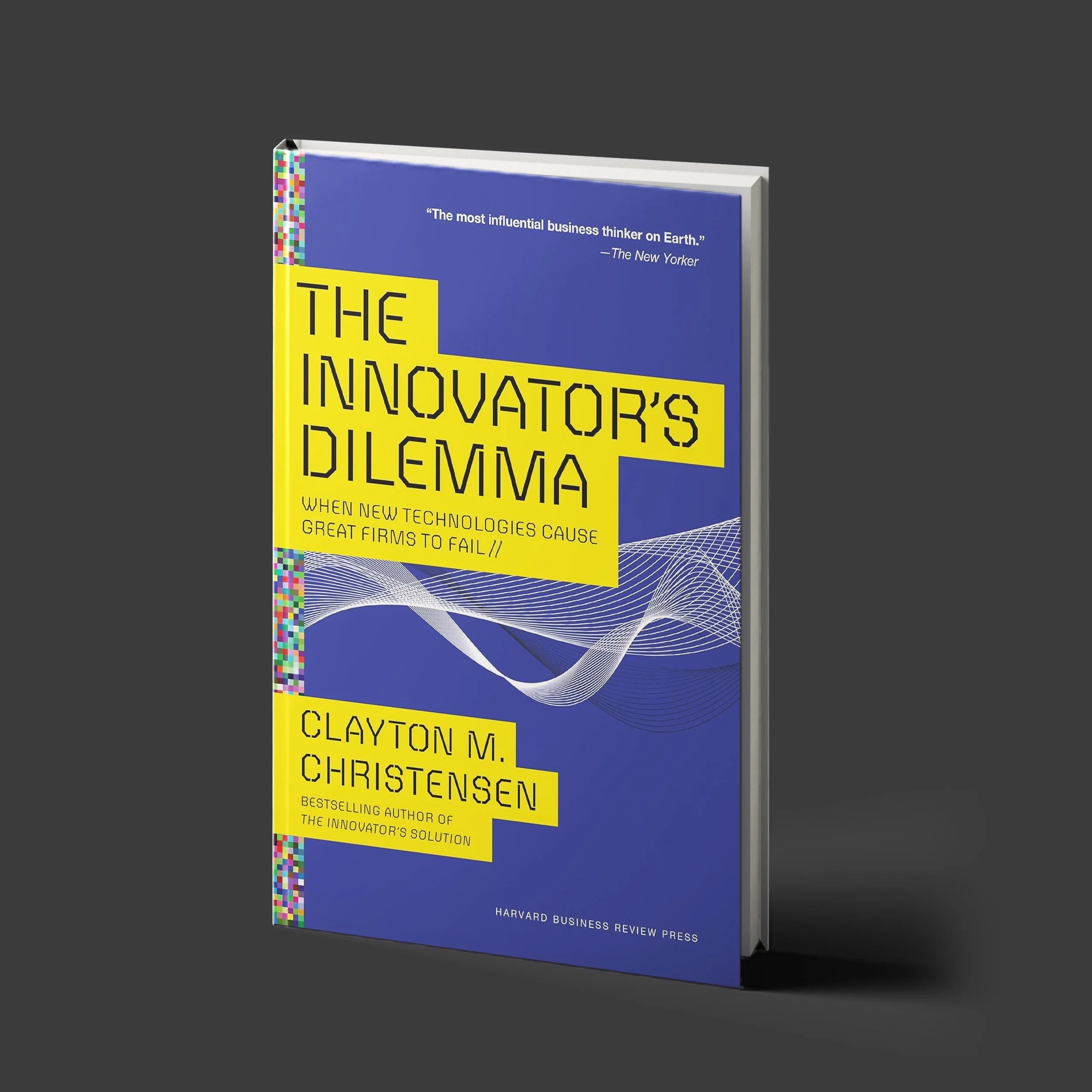
The Innovator’s Dilemma
By Clayton Christensen
Whilst not a new principle at all (Richard Pascale wrote about it in the 1980s, by the way ignore his Seven S theories IMHO, Christensen managed to coin a brilliantly memorable phrase to describe it 10 years later, and write a book to summarise the concept that we all fall in love with the last brilliant thing we made, and refuse to move on. Sadly, people have only been discovering this book in the last couple of years it seems. Too bloody late!
-
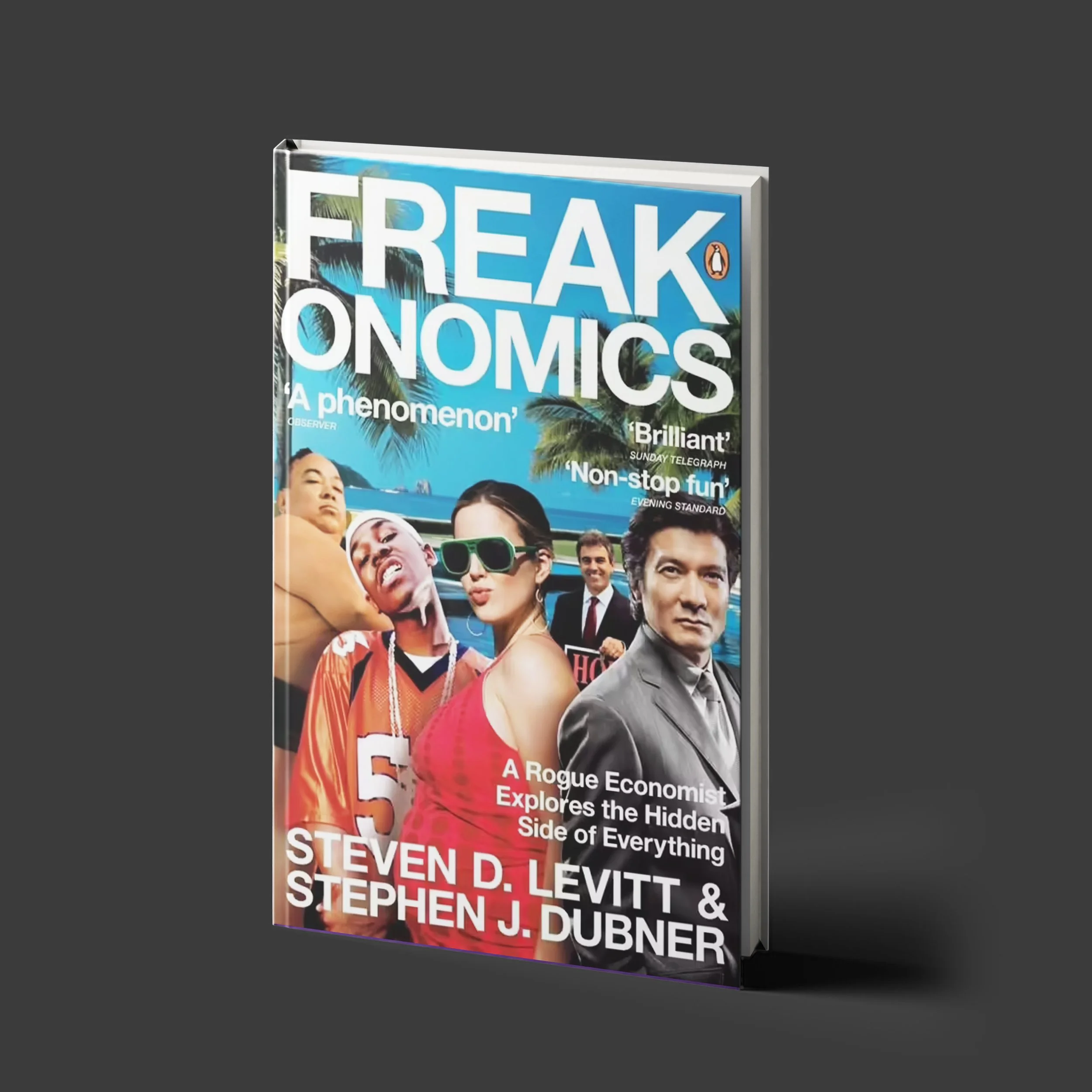
Freakonomics
By Levitt & Dubner
A partner to Daniel Ariely’s book when it comes to understanding customers. I suspect WE Deming would have loved this book, with its insistence on good quality statistical proofs and proper experimental approaches. Not sure Deming would have loved some of the funnier examples, but hey, he must have had a sense of humor somewhere. A must-read to make you think twice about those assumptions on what your customers want and need.
-
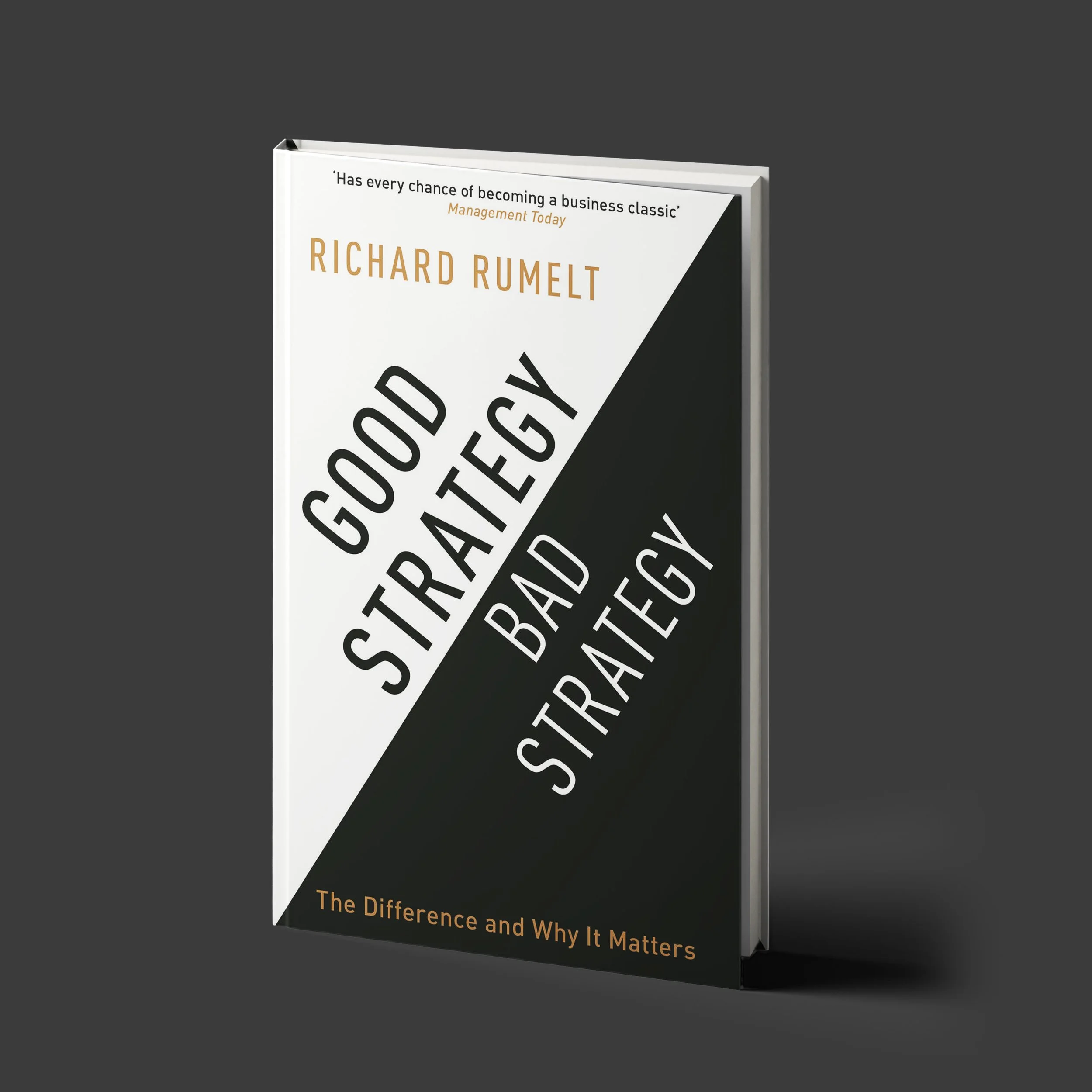
Good Strategy. Bad Strategy
By Richard Rumelt
We rate this the best strategy book ever written for business people. It not only debunks all the mission, vision and values crap we have been peddling for decades as ‘strategy’ in the West, but tells you how to do it right. Turns out strategy is just like working agile – diagnose a customer problem, choose your option for addressing it (there’ll be many, and you’ll have to say ‘no’ to some), plan-do-check-act, and don’t wait five years to see if it worked.
-
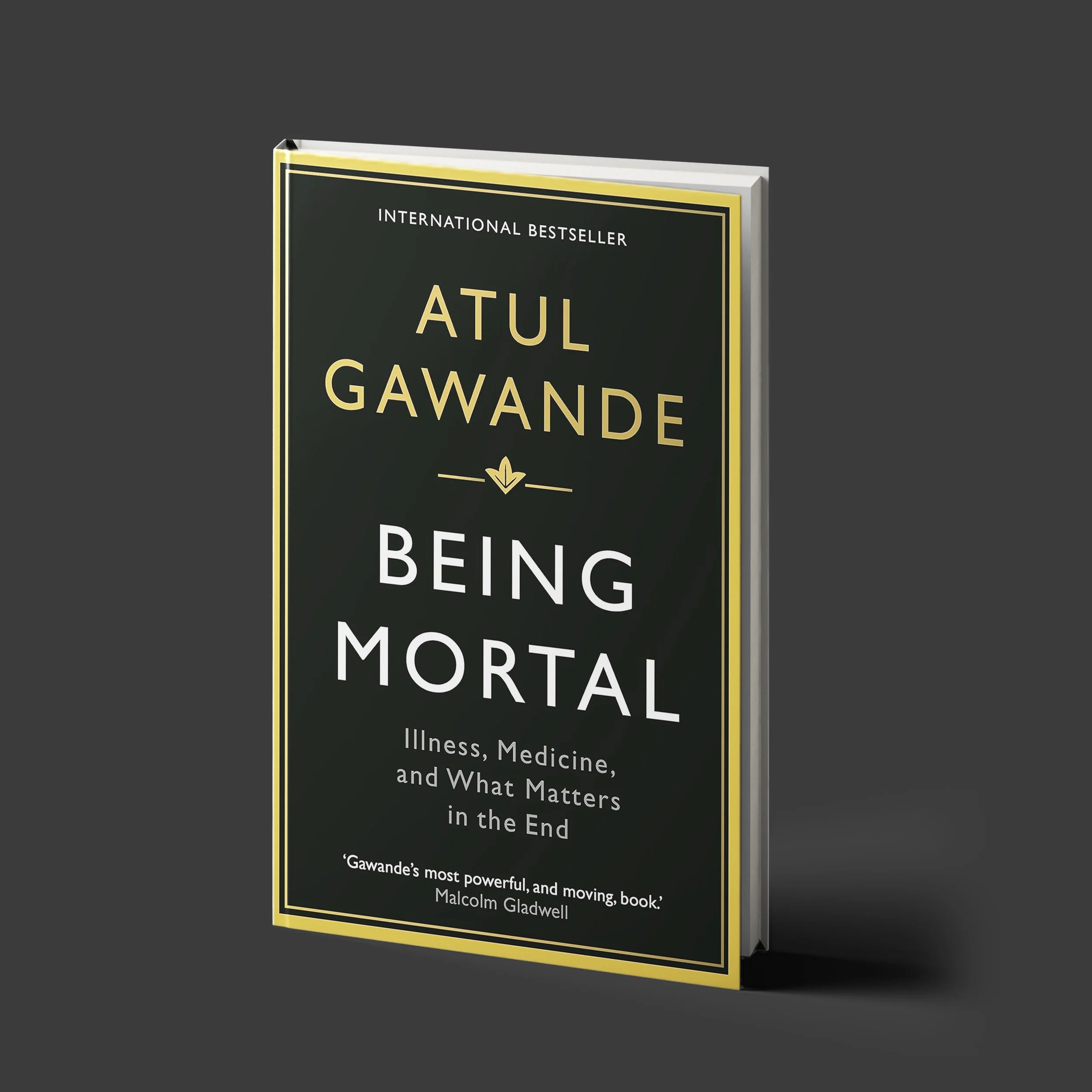
Being Mortal: Medicine and What Matters in the End
By Atul Gawande
Now you’re on the way to your Luna MBA, let’s take a side-step, and experience what happens when technical practices meet storytelling, individualised communication and innovation.
At face-value, Being Mortal is Gawande’s exploration of how medicine’s technical advancement has left the customer (us real people) behind. Gawande beautifully exposes the risks of addressing human challenges with purely technical solutions. Behind all of this lies his commitment to asking the questions differently, never losing sight of the human at it’s centre.
-
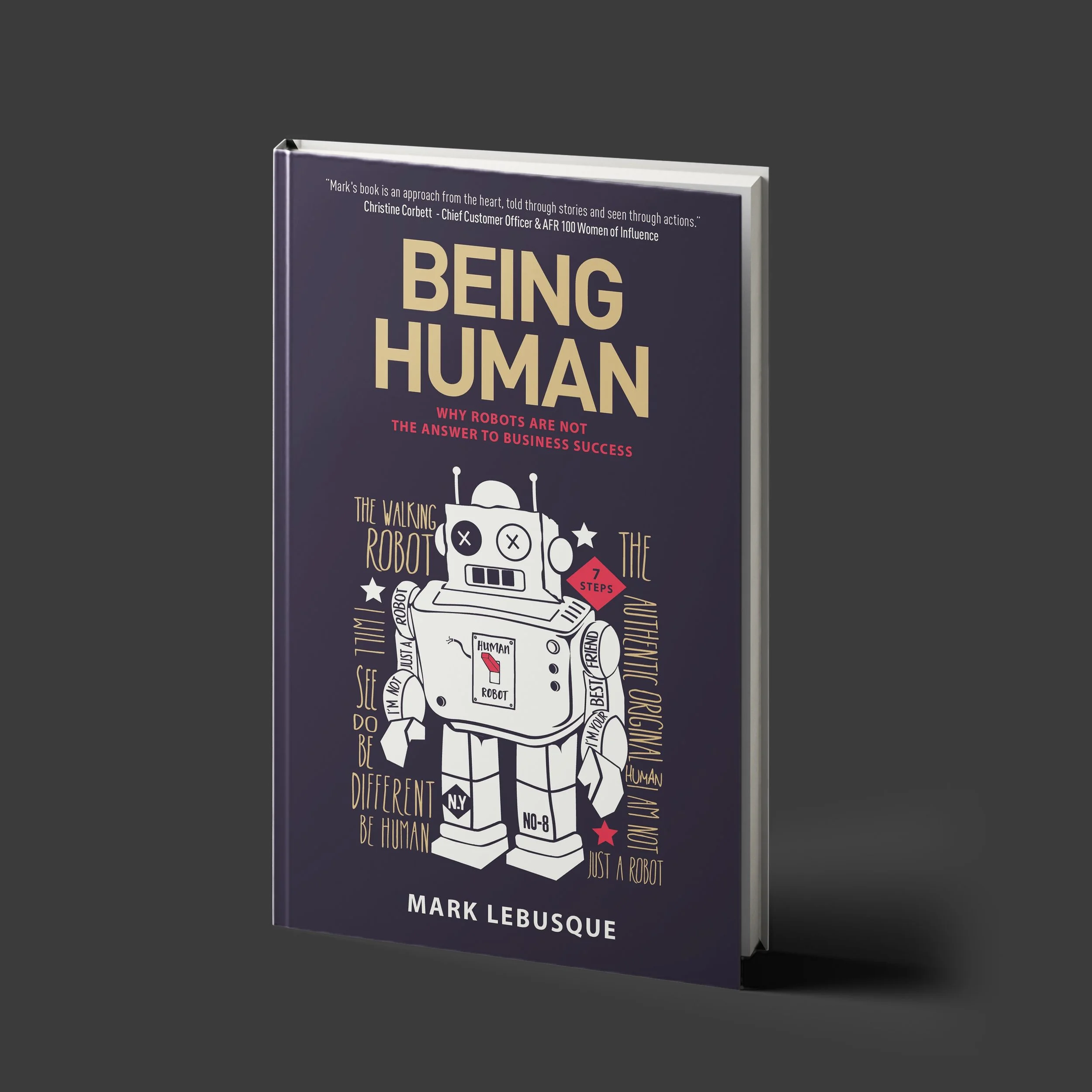
Being Human
By Mark LeBusque
Frankie the robot’s switch was accidentally flicked to ‘human’ — and the effect on her and her team was astonishing. Being Human is a self-reflective, life-lived and lessoned-learned story by Melbourne author Mark LeBusque. It reminds us that “technical competence and a robotic approach is trumped by humanastic behaviours” and that it might just be advantageous to rewire our approach in managing people through an unusual concept of ‘being human’.
-
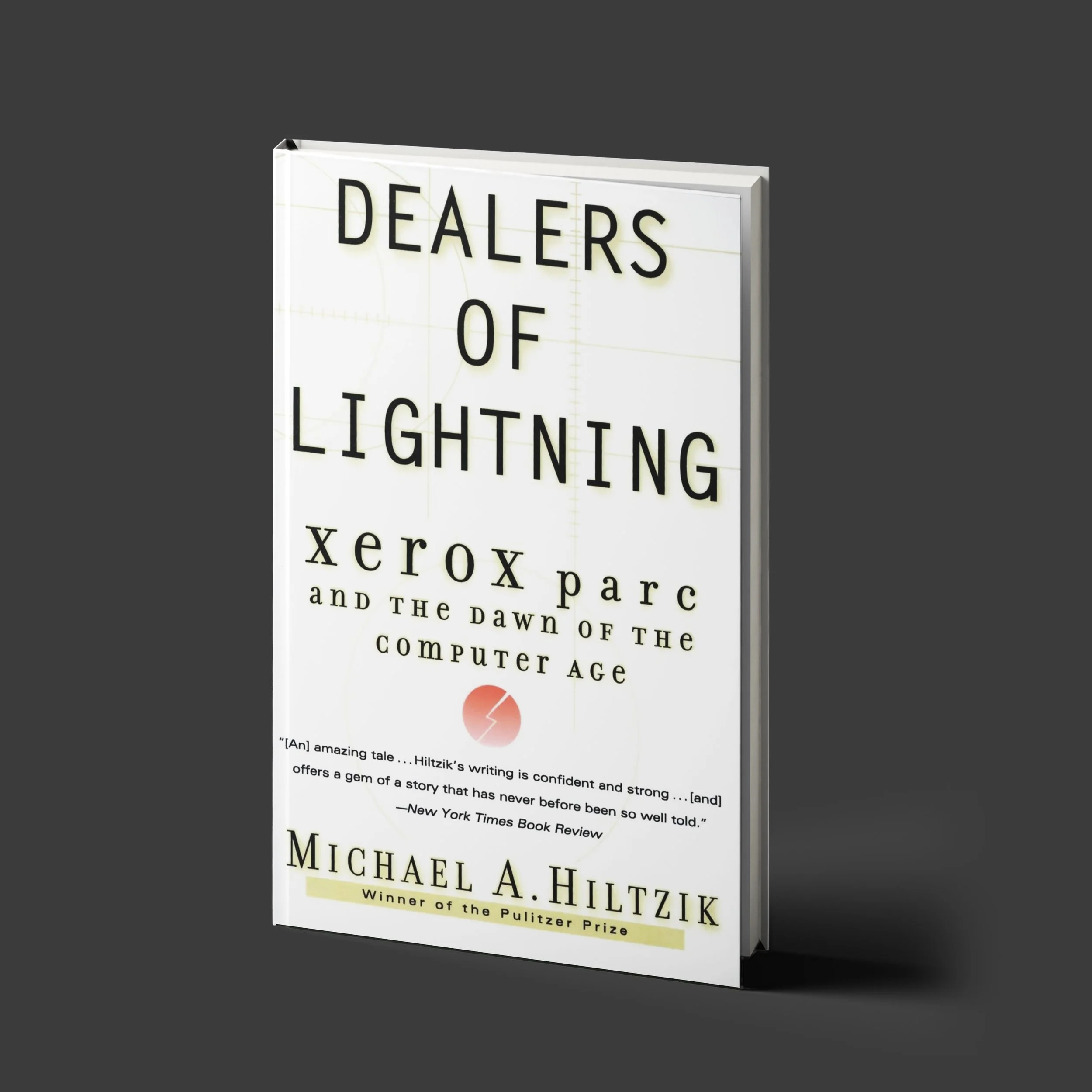
Dealers of Lightning: Xerox PARC and the Dawn of the Computer Age
By Michael A Hiltzik
It is quite hard to imagine a world without so many of the things invented at the PARC labs. So often we talk about wanting innovation in our organisation, but I think without really appreciating the investment, genius and insanity it really takes. Don’t even talk about building an innovation lab in your organisation until you’ve read and appreciated these stories.
-
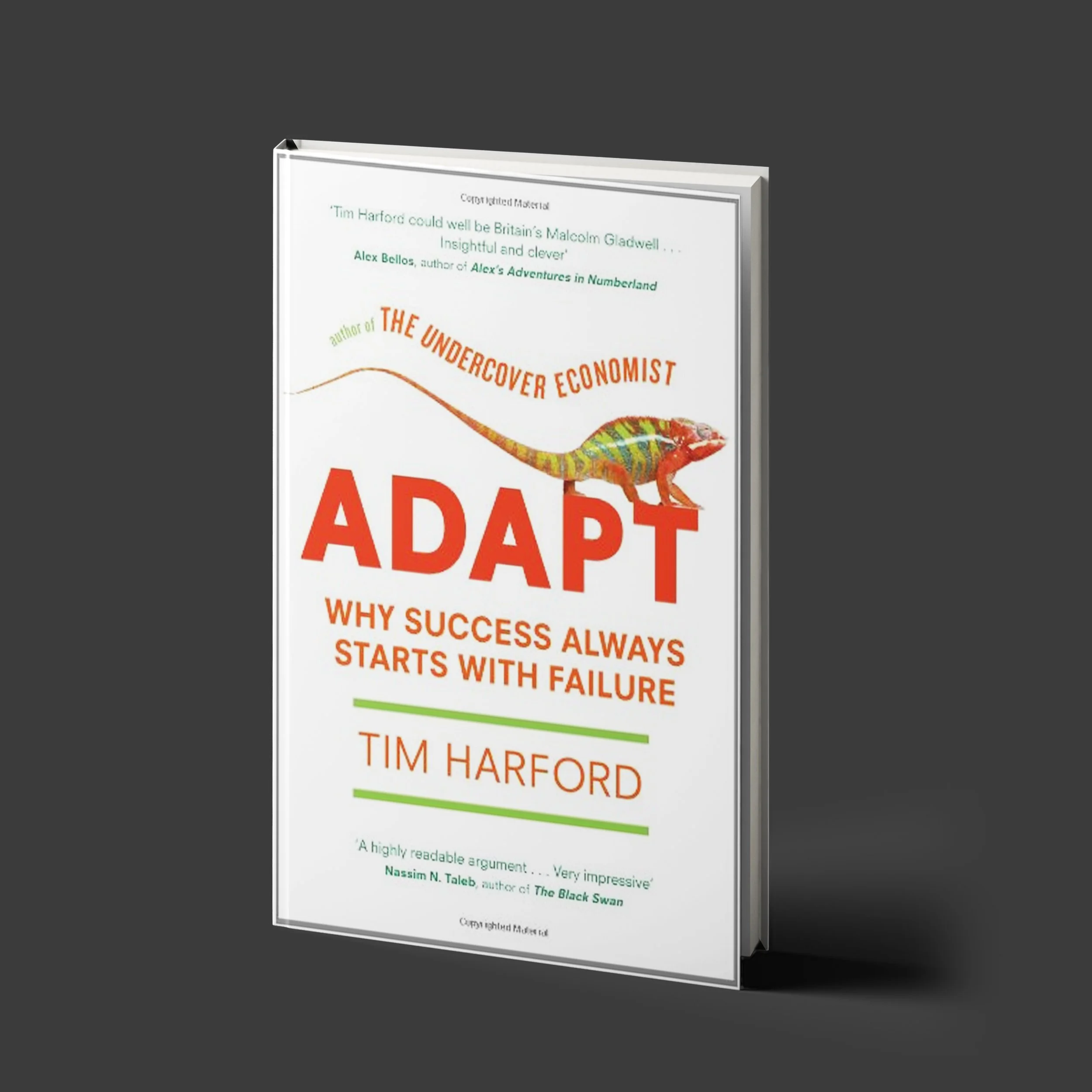
Adapt: Why Success Always Starts with Failure
By Tim Hardford
A remarkable, if slightly repetitive set of stories showing us the unpredictable path to true innovation. He starts with the story of Palchinsky at the turn of the 20th century who may have just invented Agile approaches analysing the Russian economy even before the ship building yards of the first world war; Of course he was exiled to Siberia for his efforts. He also explores our aversion to variation and experimentation – the tendency for governments and corporate bosses to love large and grandiose projects instead. As Hardford points out the proliferation of iPhone and Android apps has hidden the uncomfortable truth which is innovation is harder, slower and costlier than ever before. All the easy problems have already been solved. I’ll leave you with a quote from the book to inspire you to buy and read it.
‘Return on investment is simply not a useful way of thinking about new ideas and new technologies. It is impossible to estimate a percentage return on blue-sky research, and it is delusional even to try. Most new technologies fail completely. Most original ideas turnout either to be not original after all, or original for the very good reason that they are useless. And when an original idea does work, the returns can be too high to be sensibly measured.’
-
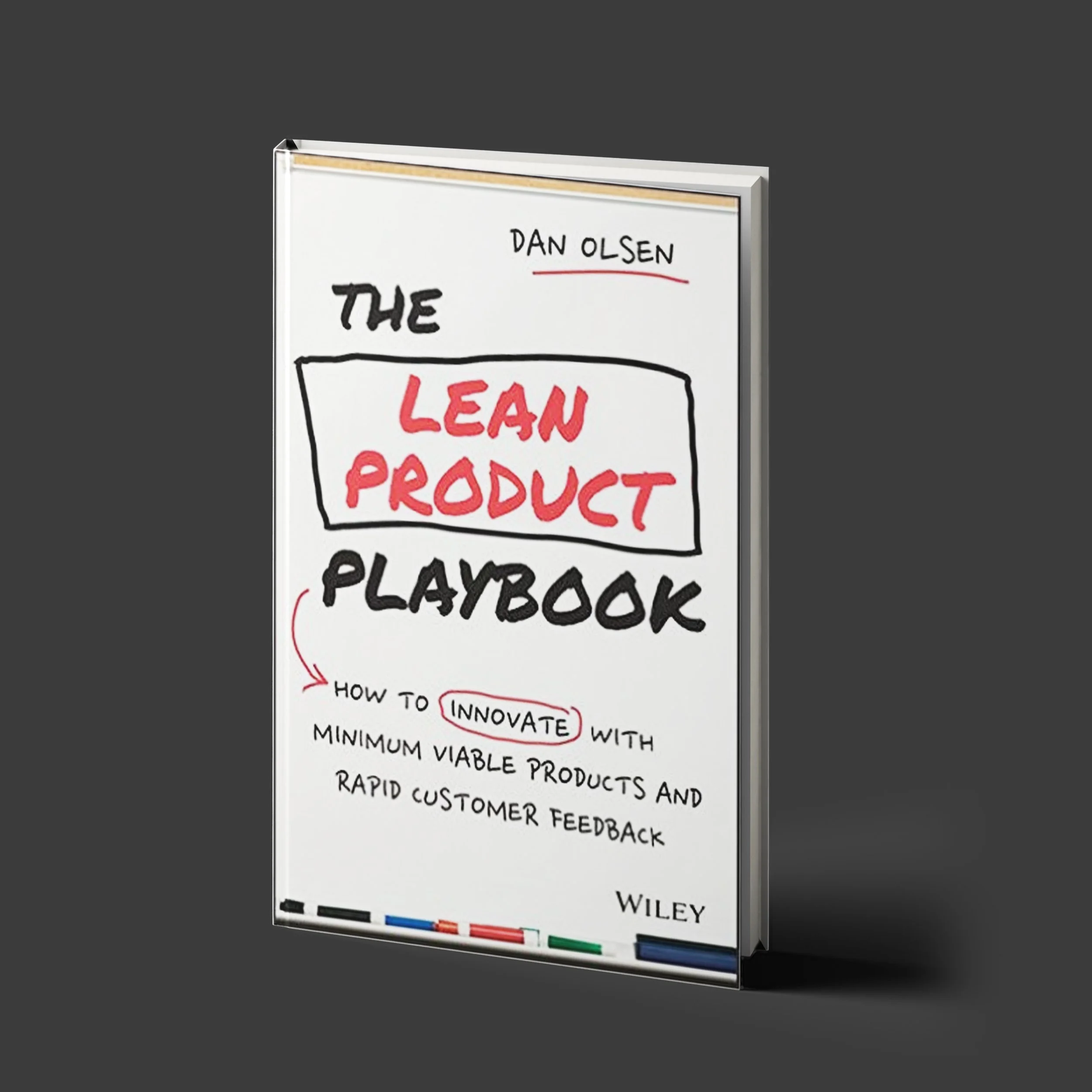
The Lean Product Playbook
By Dan Olsen
How to innovate with minimum viable products and rapid customer feedback.
Olsen has downloaded his years of experience in developing and managing products into a step-by-step, easy to understand instruction manual. The Lean Product Playbook provides a detailed yet easy to follow process on how to create great products, but more importantly it explains how to avoid the pitfalls of going too far down the path without validating your product is right for market.
The catchphrase of the product management world at present is “Product-Market Fit”, and this book provides a detailed definition of exactly what this means, why it’s important, and how to find it. It’s worth noting that Olsen’s focus is software products, however the process is still relevant and translatable for non-technical equivalents.
This book is recommended for anyone new to product management who is looking for an easy-to-follow, tried and tested guide on how to develop products. It’s also a great refresher for those who have worked in the field and want to understand and implement Lean tools and methods.
-
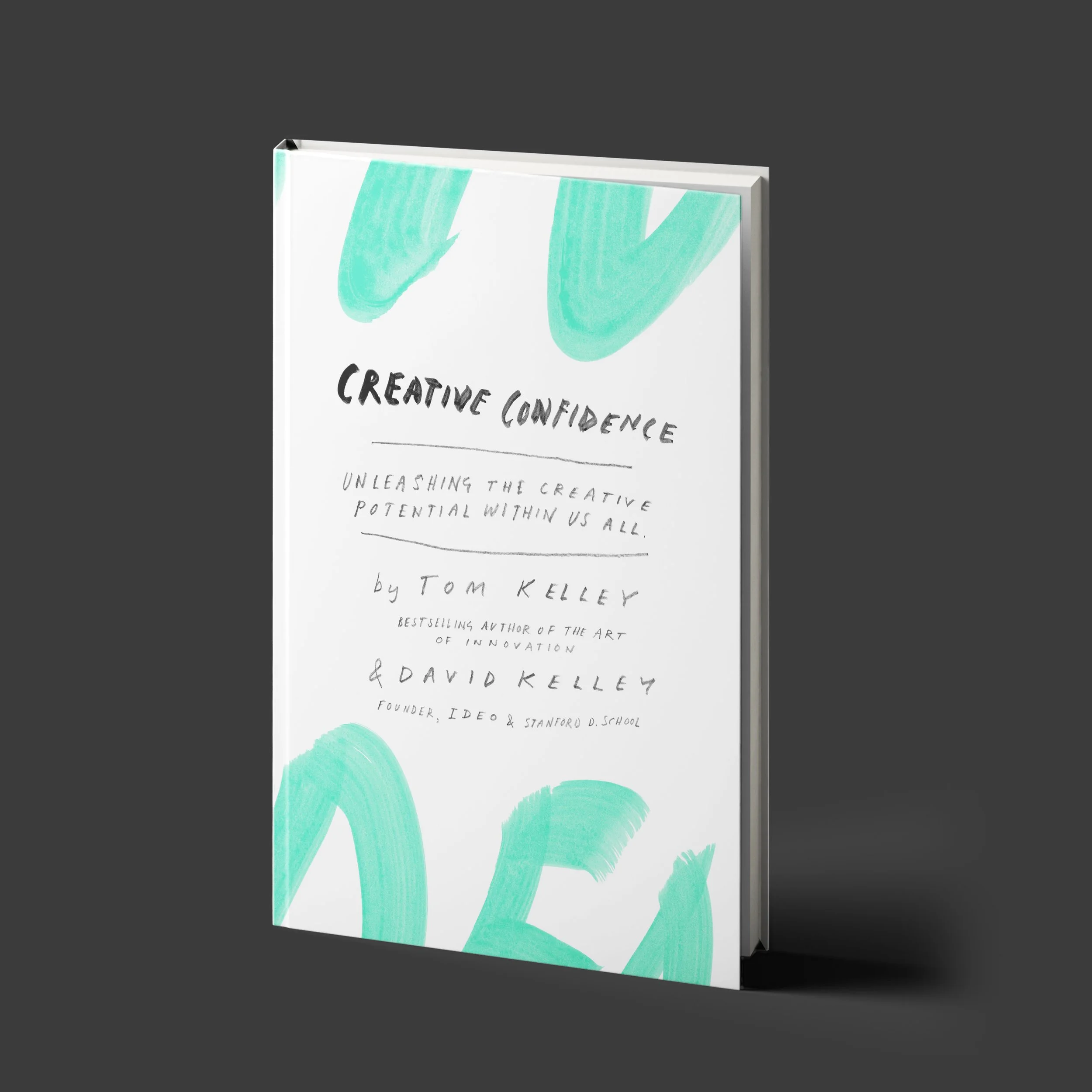
Creative Confidence
By David and Tom Kelley
Here at Luna Tractor we’re believers that creativity is not an exclusive domain of marketing teams or innovation functions within organisations; we believe that all walks of life should leverage creative and design-led methodologies and mindset when leaning into solving complex problems.
Creative Confidence is written by the founder(s) of IDEO and d.school — pioneers of creative empowerment in the business realm — and conveys the practices and principles of design thinking mixed with anecdotes of creative problem solving by individuals, teams and transformationally across whole organisations.